
Learning latte art is one of the most enjoyable ways to elevate your coffee experience at home. It transforms a simple cup of coffee into something creative, personal, and visually appealing. Even if you are just starting, mastering basic latte art designs is absolutely possible with practice, patience, and the right technique.
Many people believe latte art is only for professional baristas, but that is not true. With a few essential tools and a basic understanding of milk texture and pouring technique, anyone can begin creating beautiful designs. The key is to start simple and build confidence over time.
What Is Latte Art?
Latte art is the technique of pouring steamed milk into espresso to create patterns on the surface of the drink. It combines precision, timing, and control, turning coffee into a visual experience as well as a flavorful one.
The foundation of great latte art is the contrast between dark espresso and white microfoam. When done correctly, the milk sits on top of the crema, forming shapes that range from simple hearts to more complex designs.
Why Learning Latte Art Is Worth It
Practicing latte art improves more than just presentation. It helps you understand milk texture, pouring control, and overall coffee quality. These skills directly impact the taste and consistency of your drink.
Additionally, creating latte art adds a personal touch to your coffee routine. Whether you are making coffee for yourself or someone else, it brings a sense of satisfaction and creativity to the process.
Essential Tools for Latte Art
Espresso Machine or Strong Coffee Base
A good espresso is the foundation of latte art. It provides the crema needed to support the design. If you don’t have an espresso machine, a strong coffee base can still work, but results may vary.
Milk Pitcher
A stainless steel milk pitcher allows better control when pouring. Its shape helps guide the flow of milk, making it easier to create patterns.
Fresh Milk
Whole milk is often recommended because it creates smoother and more stable foam. However, plant-based milk can also work with practice.
Understanding Milk Texture (The Secret to Success)
The most important part of latte art is not the design — it is the milk texture. You need microfoam, which is milk with very fine, smooth bubbles that look glossy and creamy.
If the milk is too foamy, the design will not form properly. If it is too thin, it will mix with the espresso instead of sitting on top. The goal is a texture similar to wet paint.
Basic Pouring Technique
Before attempting designs, you need to master the pouring technique. Start by pouring milk slowly from a higher position to mix it with the espresso.
Then, lower the pitcher closer to the cup and increase the flow slightly. This is when the design begins to form on the surface. Control and consistency are more important than speed.
Simple Latte Art Designs for Beginners
The Heart
The heart is the easiest and most popular design to start with. After pouring the base, bring the pitcher close to the surface and let the milk form a circle.
Then, gently pull the pitcher back while cutting through the center. This creates the classic heart shape.
The Tulip
The tulip is created by layering small circles of milk on top of each other. Each layer forms a petal, and the final pull-through completes the design.
This pattern looks more advanced but is achievable with practice and patience.
The Rosetta
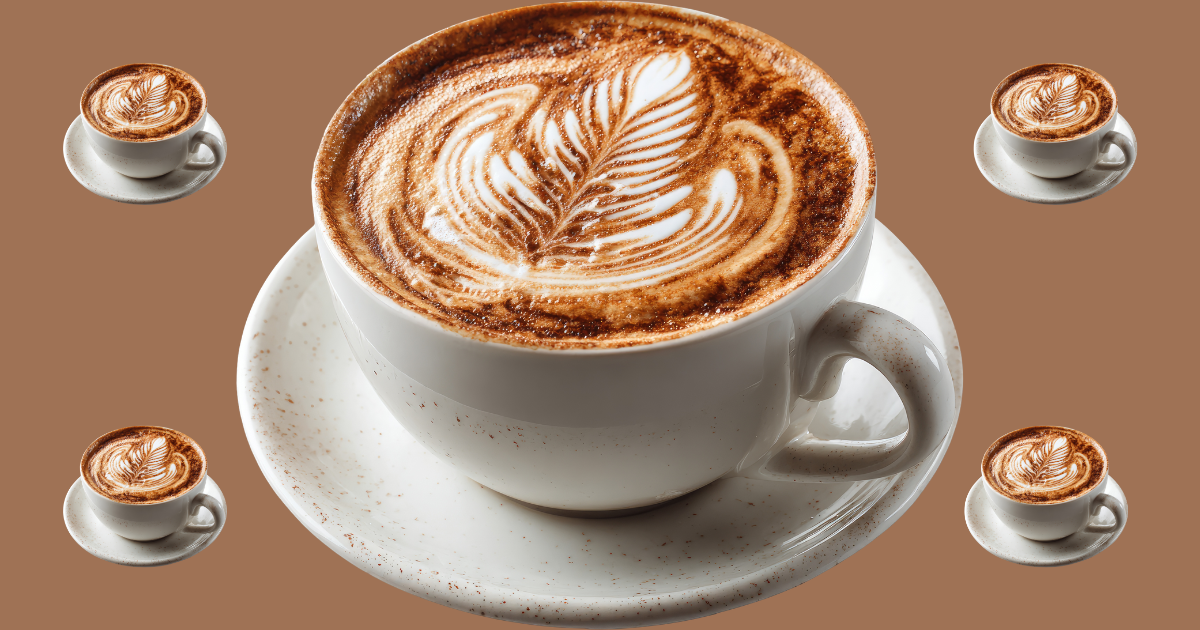
The rosetta resembles a leaf or feather. It is created by moving the pitcher side to side while pouring, then finishing with a pull-through.
Although it requires more control, it becomes easier once you are comfortable with basic pouring techniques.
Common Mistakes and How to Fix Them
One common mistake is using milk that is too bubbly. Large bubbles prevent smooth designs. To fix this, tap the pitcher on the counter and swirl the milk before pouring.
Another mistake is pouring too fast or too slow. Finding the right balance takes practice. Start slow and gradually adjust your speed.
Finally, avoid using old espresso. Freshly brewed espresso with good crema is essential for successful latte art.
Practice Tips to Improve Faster
Consistency is key when learning latte art. Practice regularly, even if it is just one cup a day. Repetition helps build muscle memory and improves control.
You can also practice with water and a drop of dish soap to simulate milk texture. This allows you to practice pouring without wasting milk.
Watching your own technique and making small adjustments will help you progress faster.
Real-Life Example: From Beginner to Confident
Imagine starting your first attempt at latte art. The design may not look perfect — maybe just a white blob on the surface. That is completely normal.
After a few days of practice, you begin to see shapes forming. Within a few weeks, you can consistently create hearts and simple tulips. This gradual progress is what makes the journey rewarding.
Final Thoughts
Mastering latte art is not about perfection — it is about enjoying the process and improving over time. With the right tools, proper milk texture, and consistent practice, anyone can create beautiful designs at home.
As your skills grow, you will not only make better-looking coffee but also better-tasting drinks. Latte art is where creativity meets technique, turning every cup into a small piece of art.